Yesterday, Year 3 visited Segedunum Roman Fort and Museum as part of their History topic.
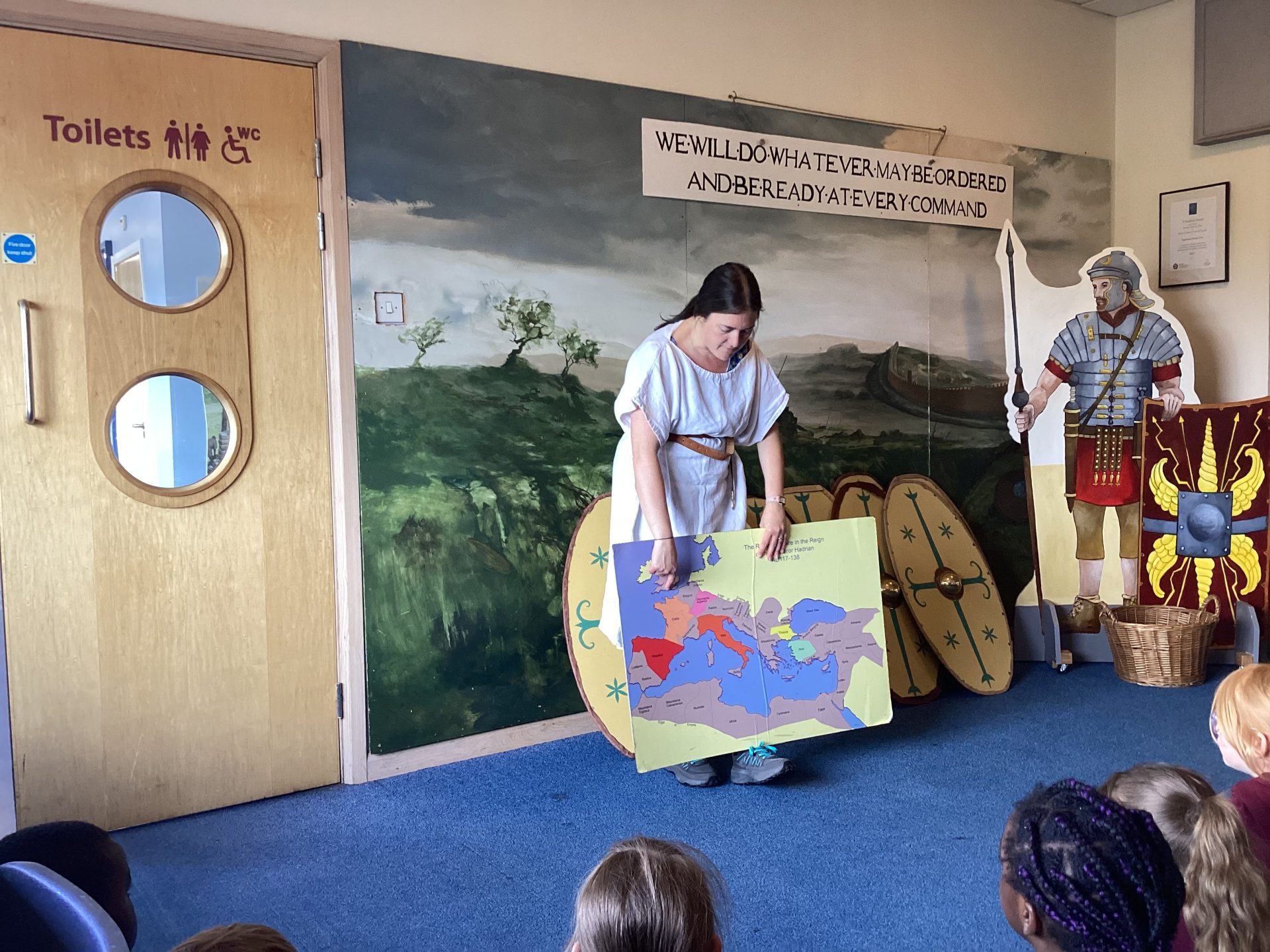
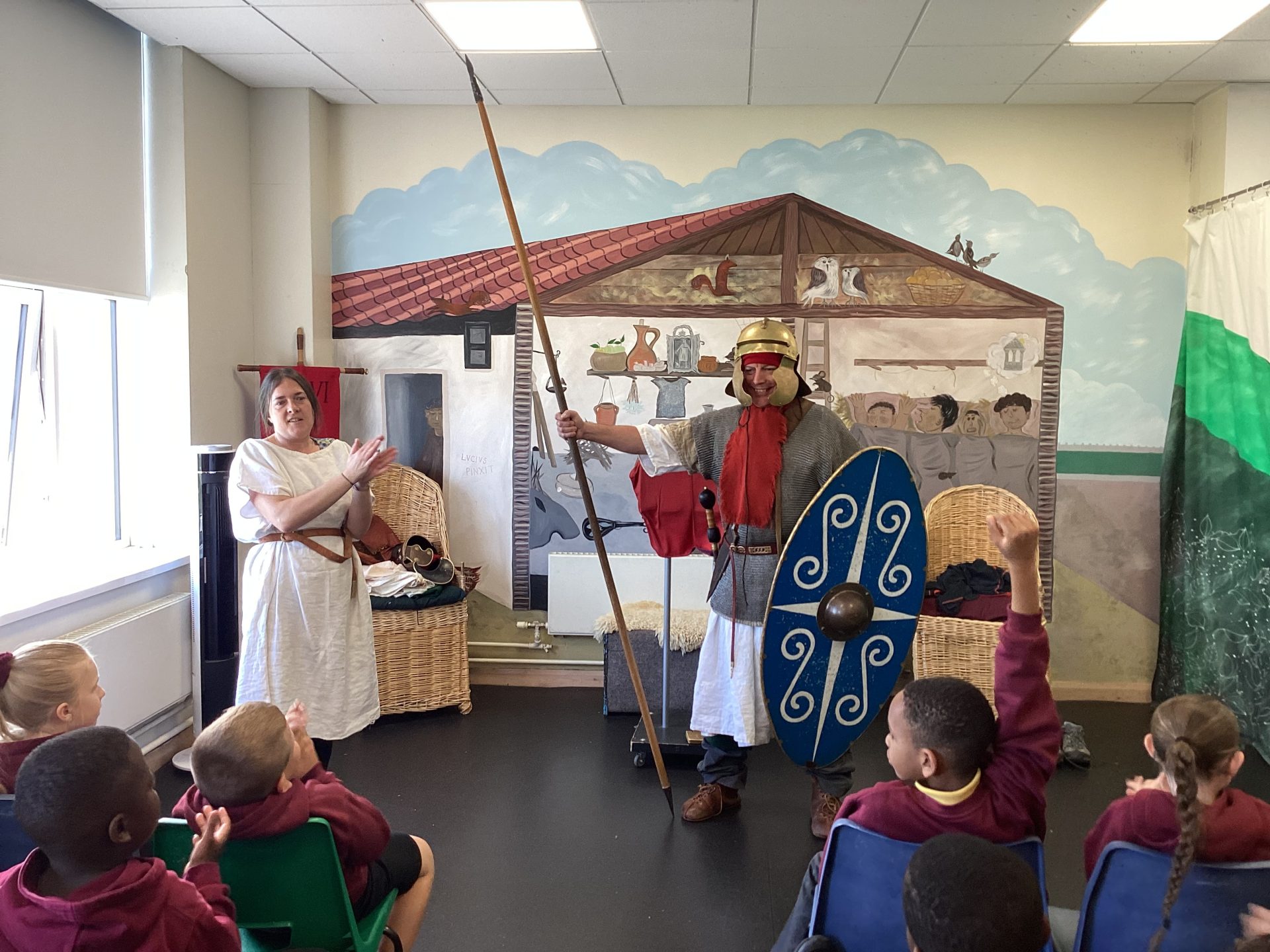
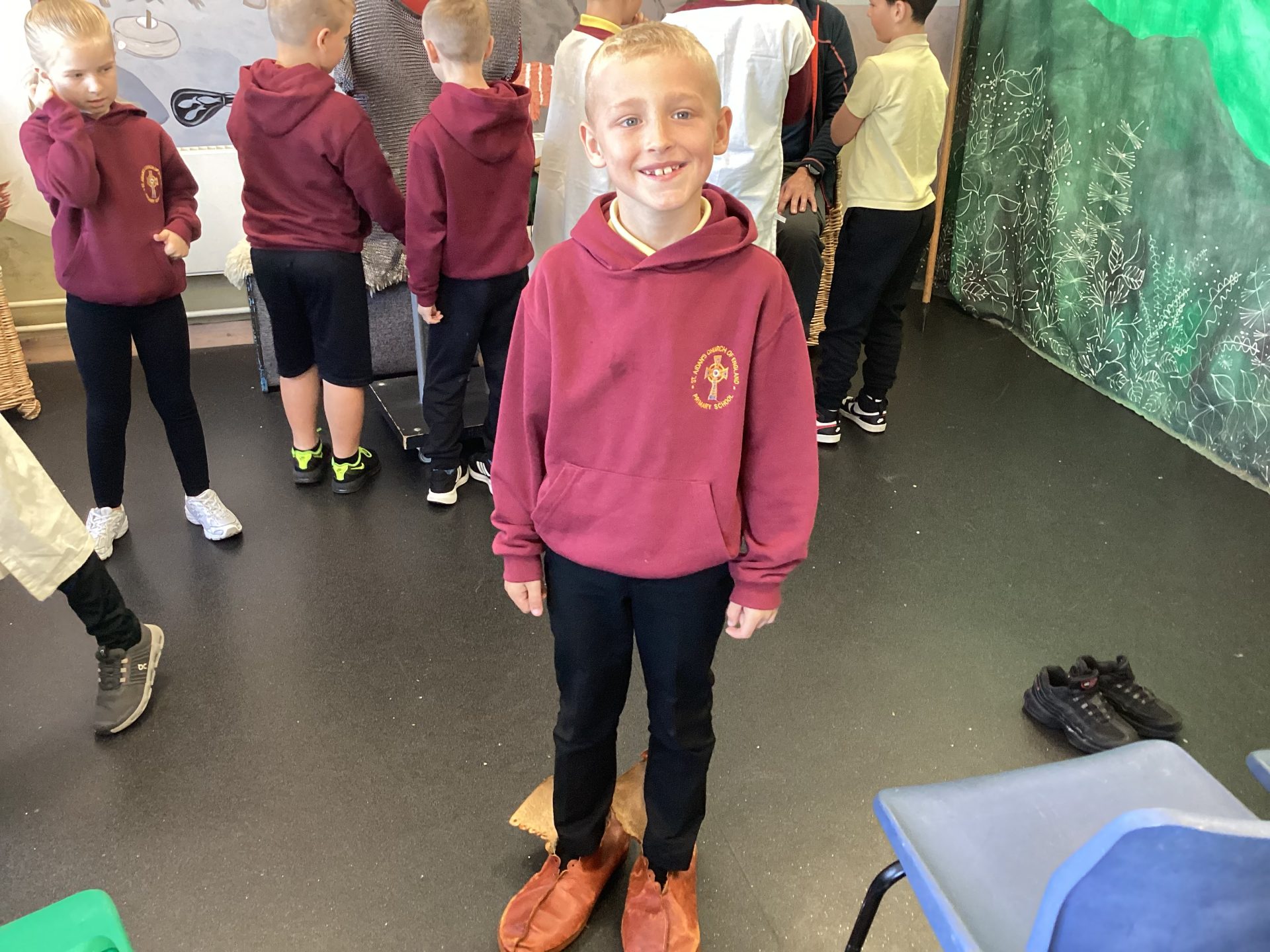
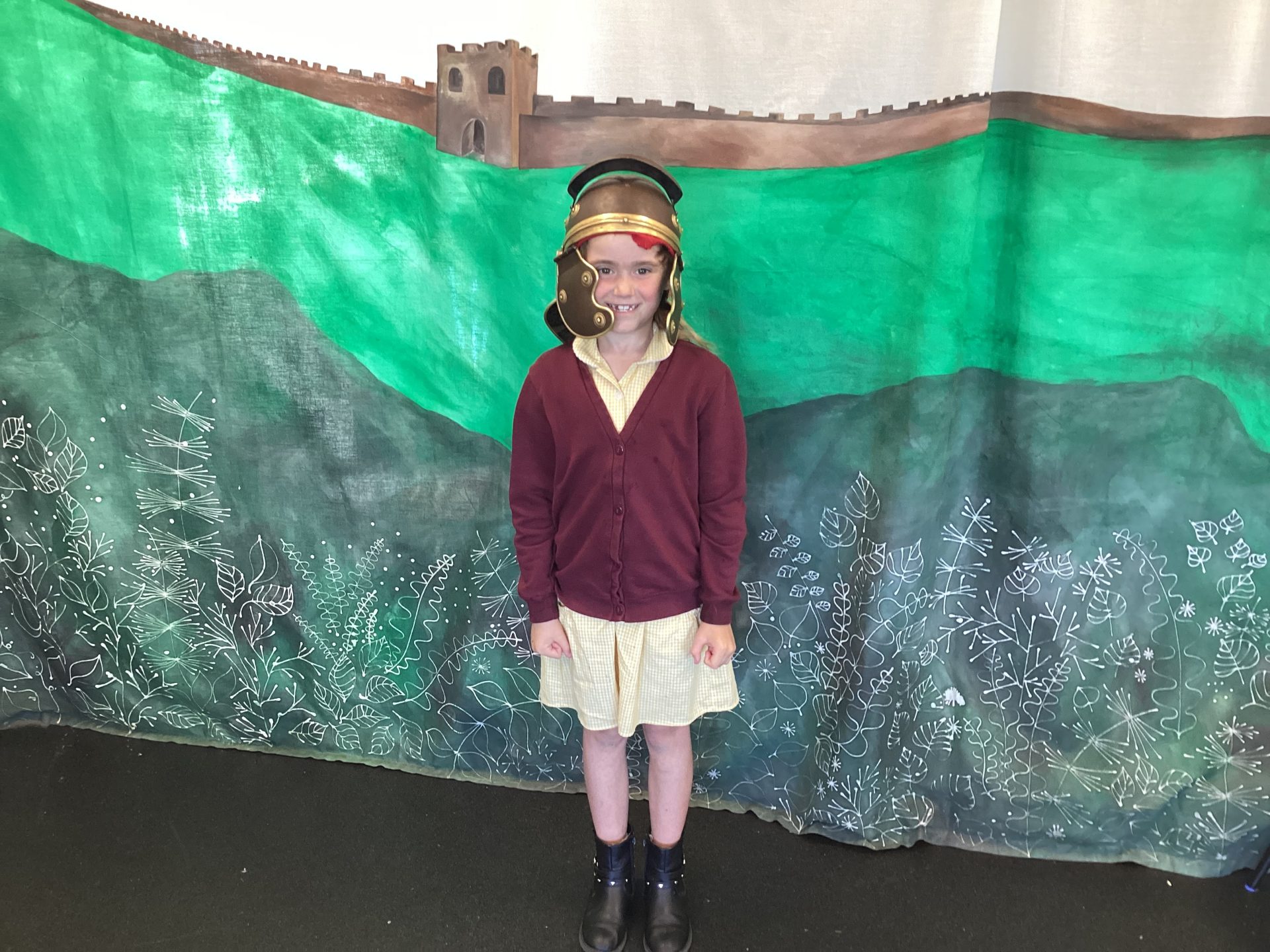
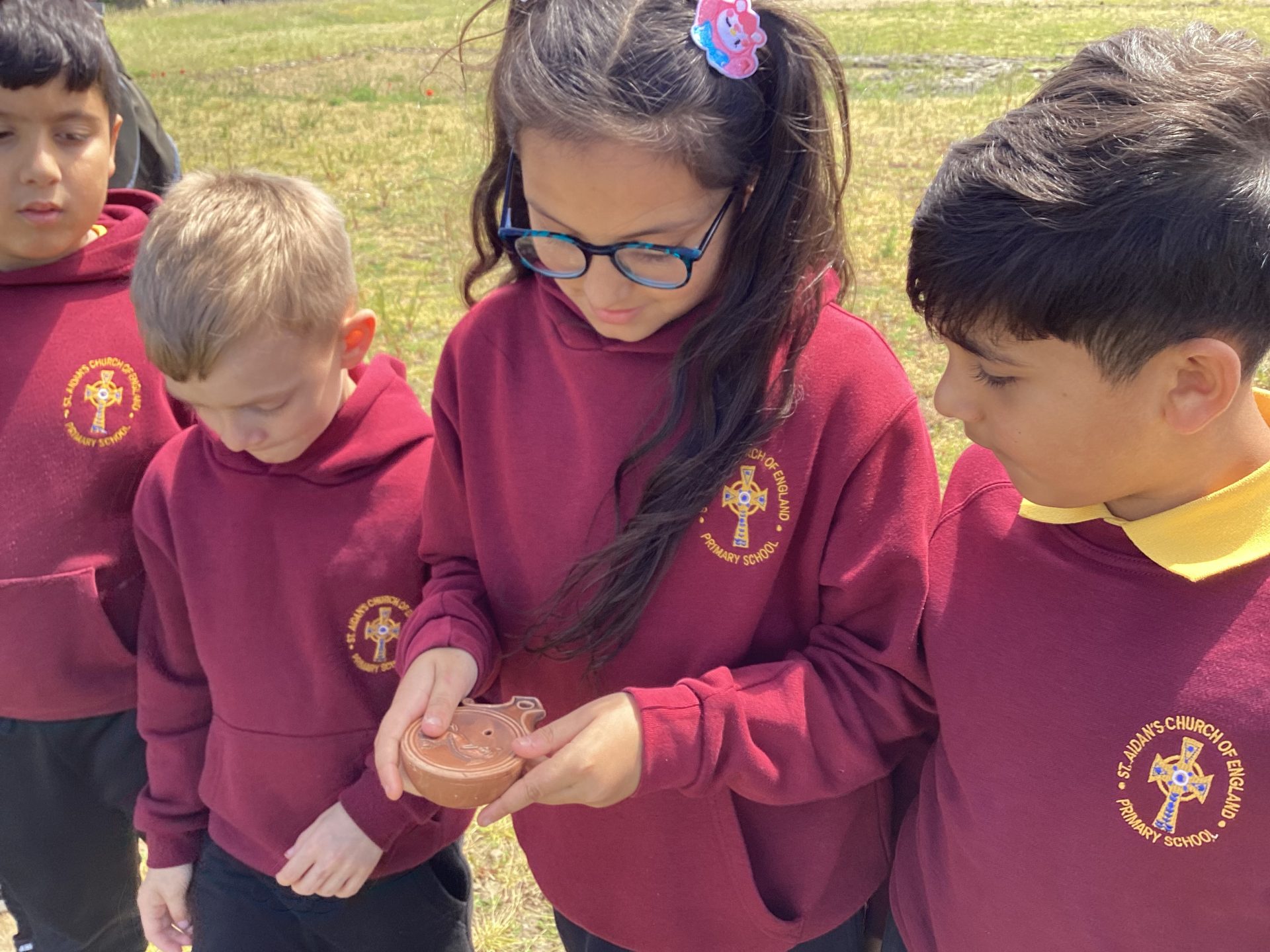
We were greeted by Susan who was our activity leader for the whole day. When we arrived into the main activity room, she asked the children, ‘What is a fort?’ Our children were able to tell Susan that they have learnt that it is a base for the army where soldiers lived, We then learnt that the Romans arrived in Southern Britain in AD43. Over the years, the Romans took over most of Britain, building and pushing North. However, in AD123, an emperor named Hadrian decided he didn’t want to push any more North. The children then learnt that alongside the Romans lived the Celts. However, the Romans had built 16 forts along Hadrian’s Wall, which were all guarded. The Romans had power over who and what could come inside, including any trade. They were also the first people to bring coinage to Britain. Segedunum Fort was the last fort to be built on the east end side of Hadrian’s Wall. Susan told us that the Roman army had 2 types of soldiers; legionaries and auxiliaries. There would also be slaves who worked, digging up stone. Legionary soldiers were the best, whereas, auxiliary soldiers were either foot soldiers or soldiers who could ride horses (cavalierly units). We also learnt that when the fort was busy, it would hold around 600 men. Susan then spoke about what clothing and armour a Roman soldier would wear and why. The children learnt that leather shoes with hobnails on the soles were needed for walking from fort to fort (24 miles), all armour was worn on the right hand side of the body and shields were used on the left.
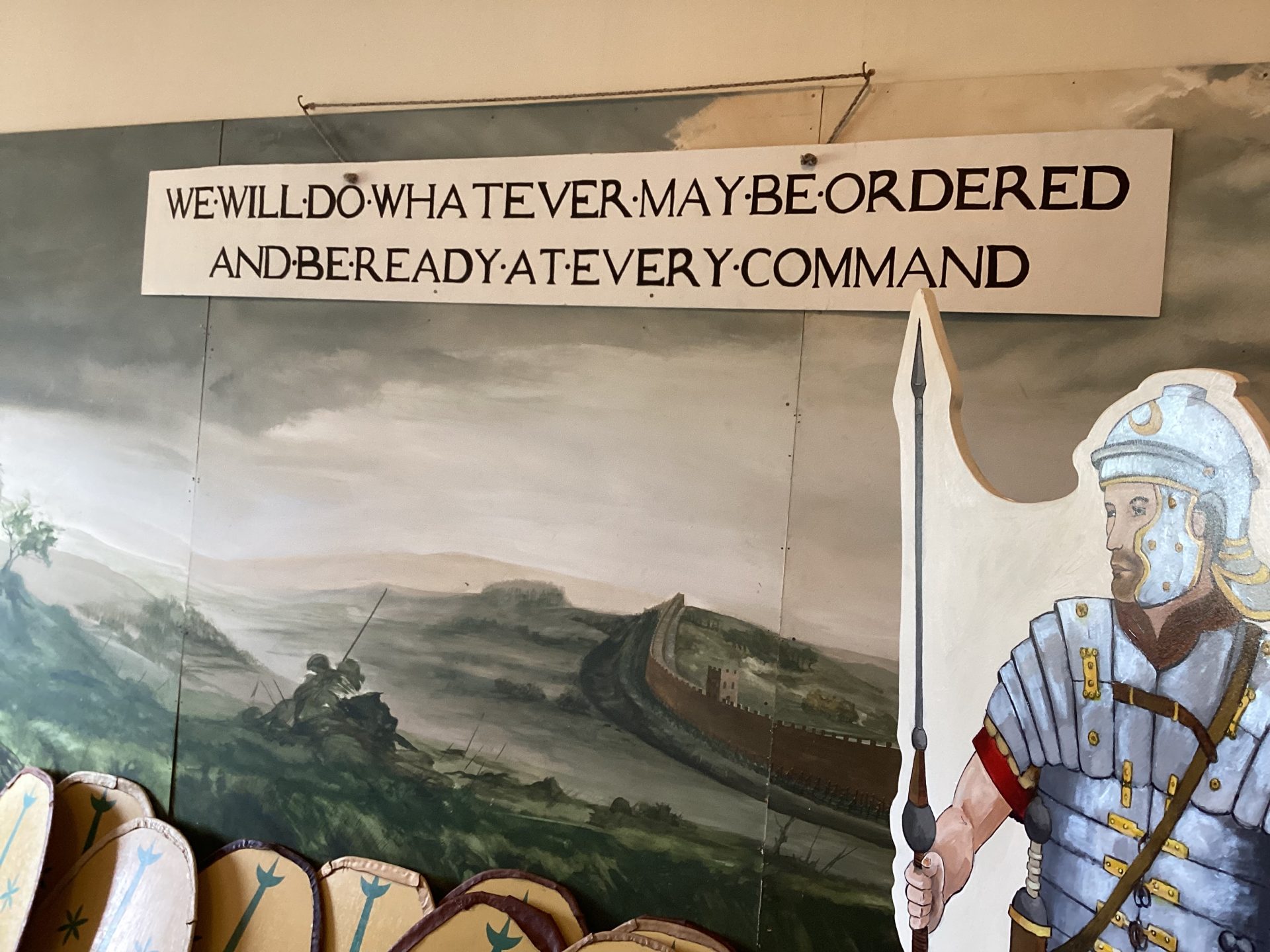
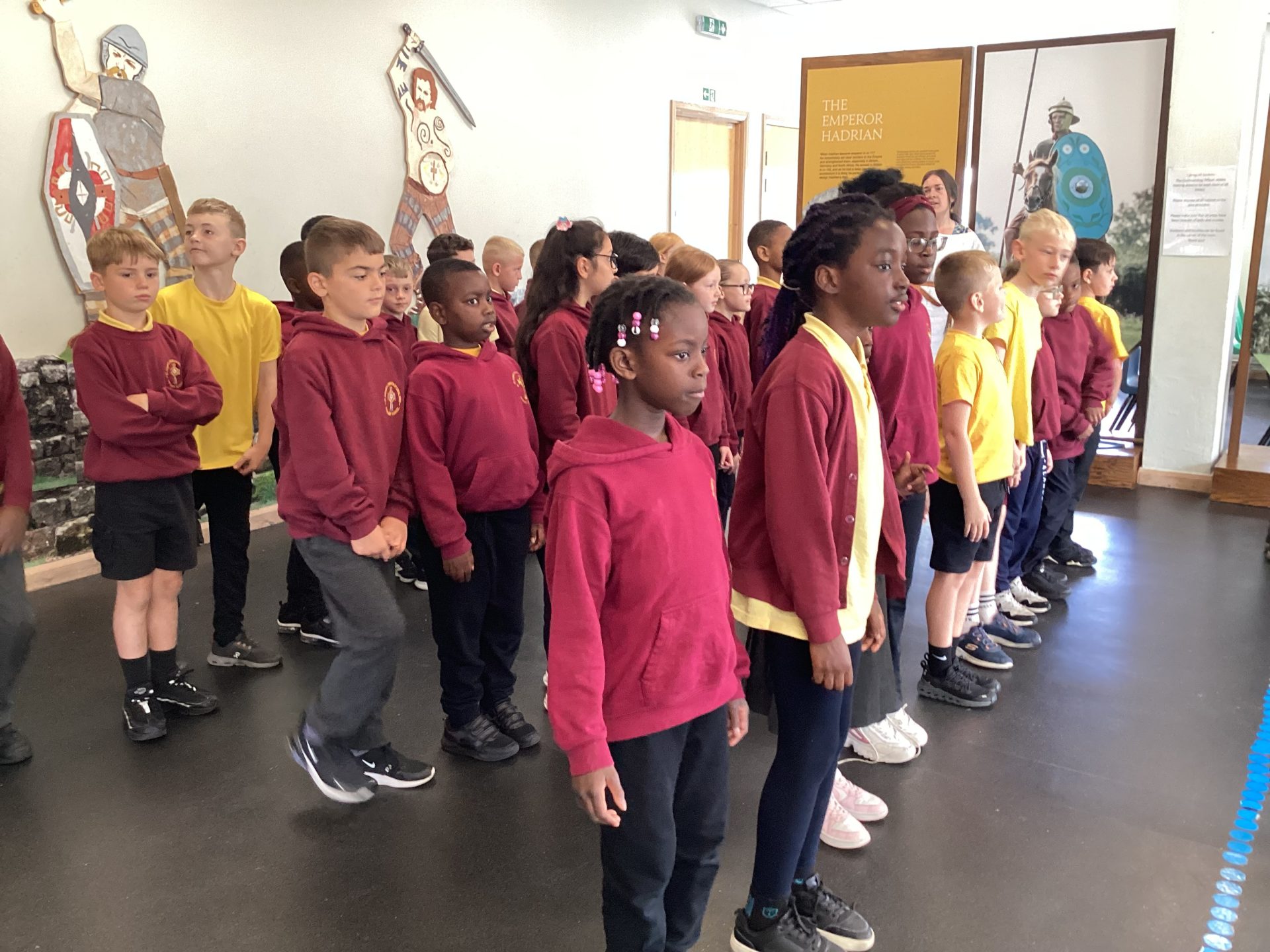
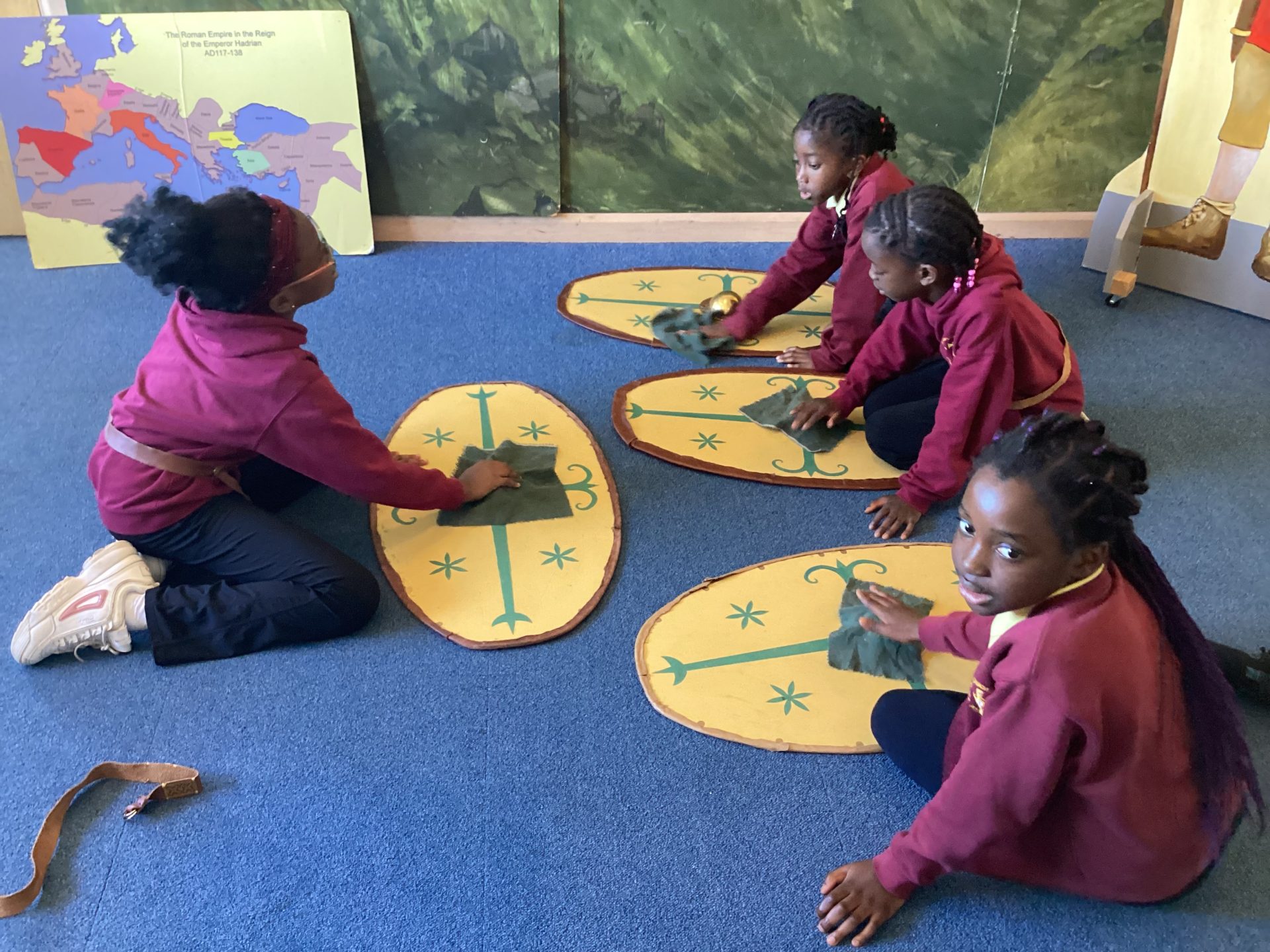
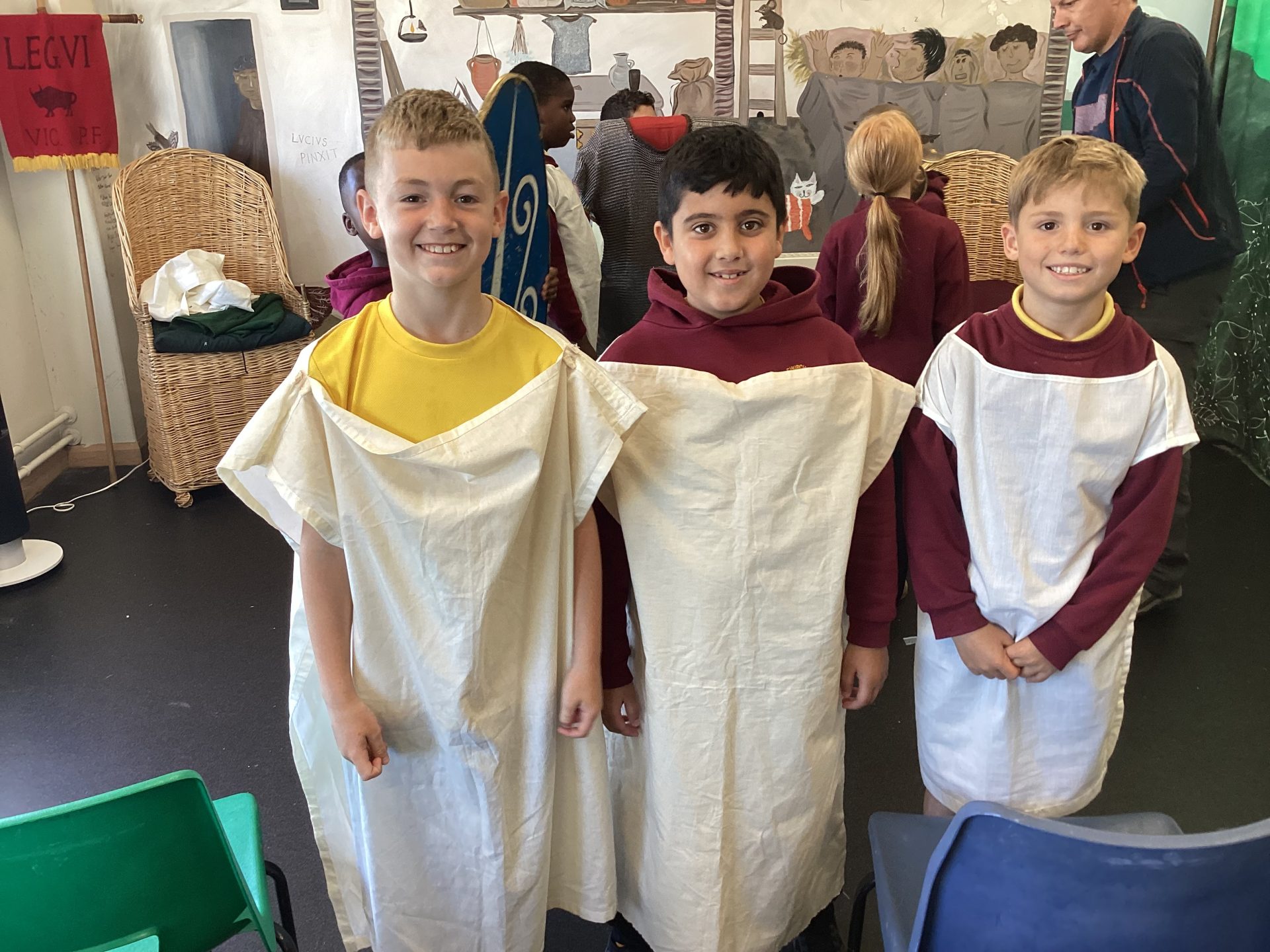
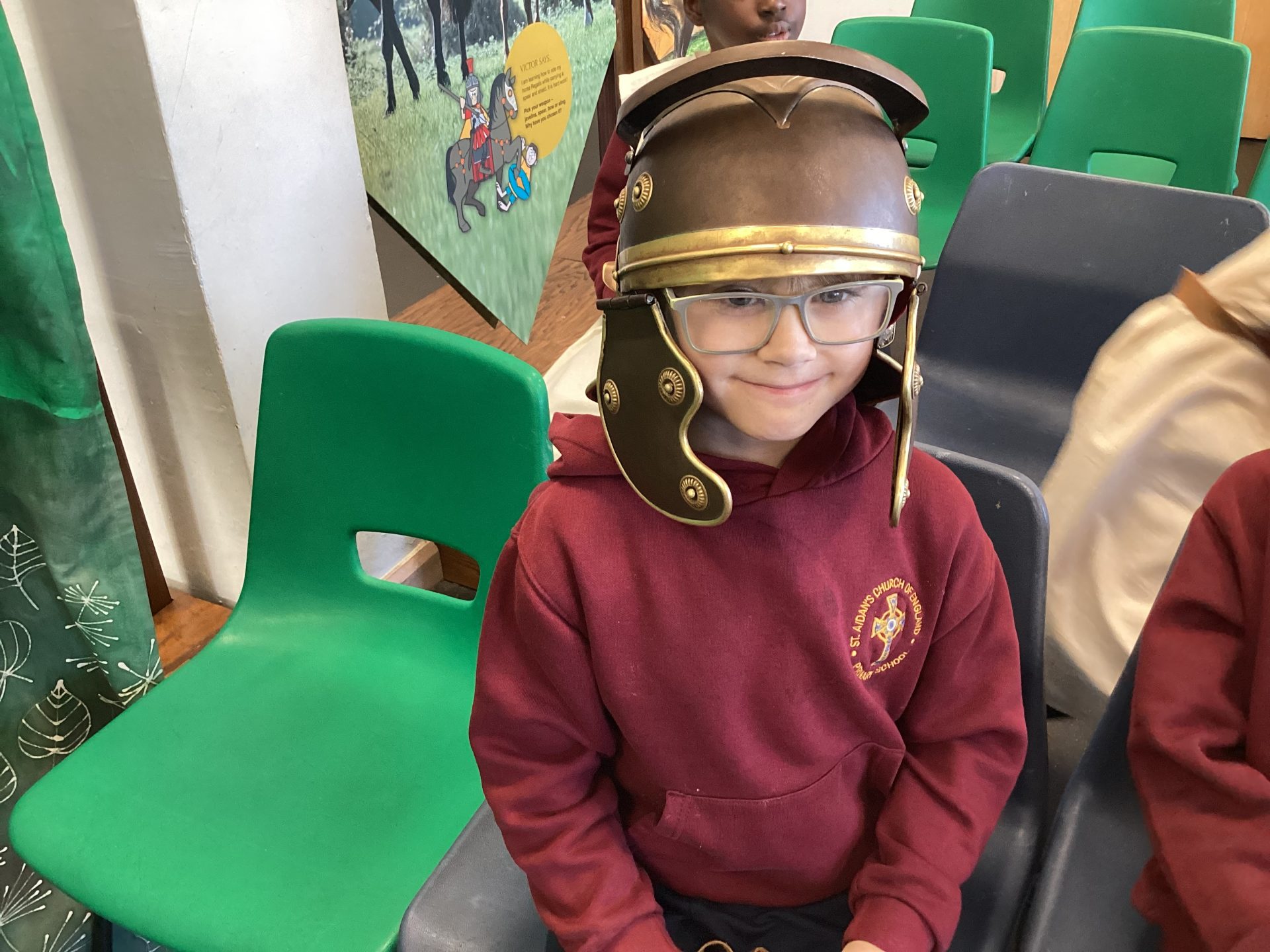
Susan then put the children into 3 groups. The first group were able to explore the armour and clothing that was worn by Roman soldiers. The second group used shields and spears as part of combat training, pretending to be Roman soldiers fighting against the Celts. The third group were told that they had to learn the Roman oath which read, ‘We will do whatever will be ordered and be ready at every command’, whilst polishing and shining shields.
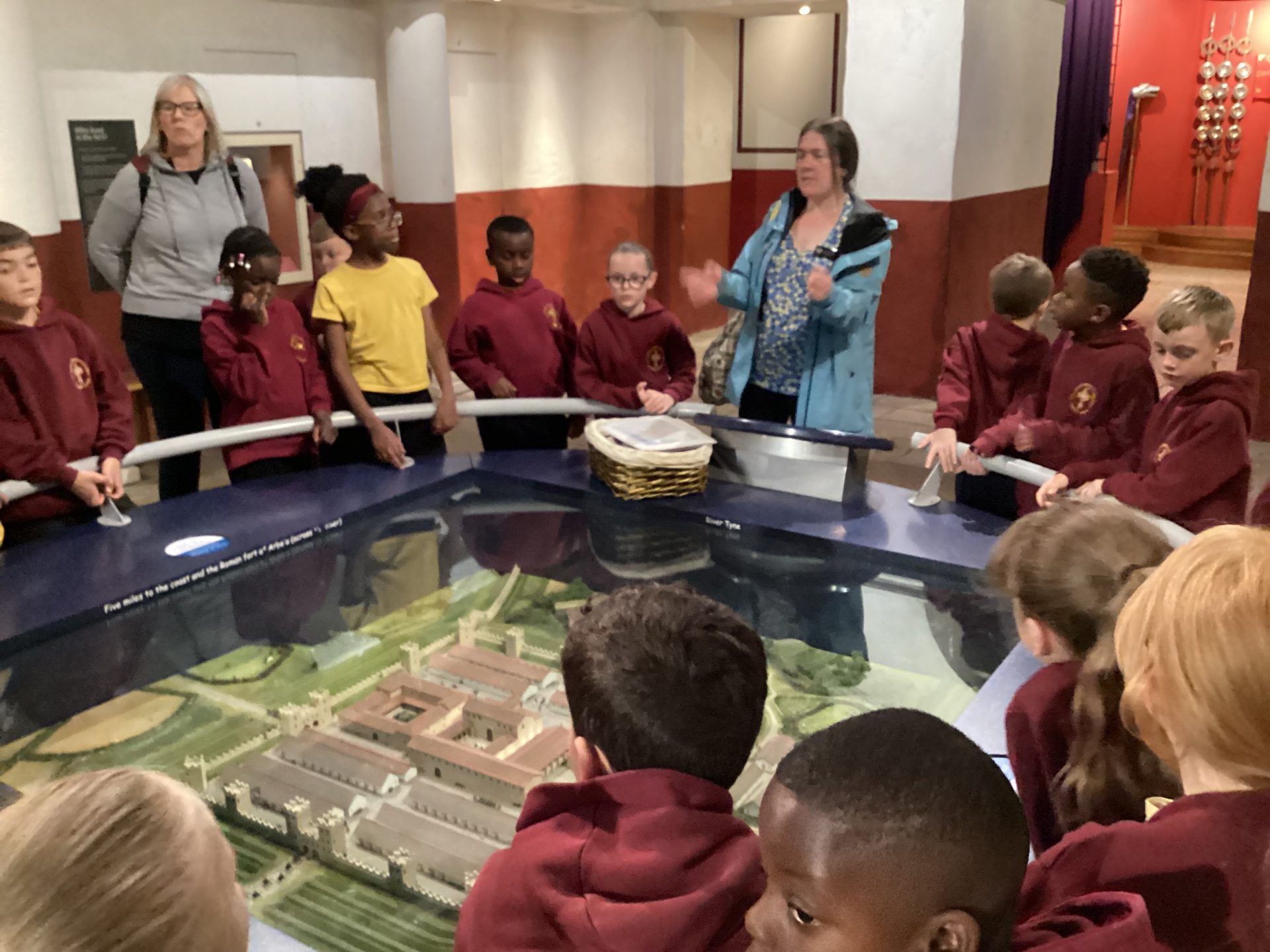
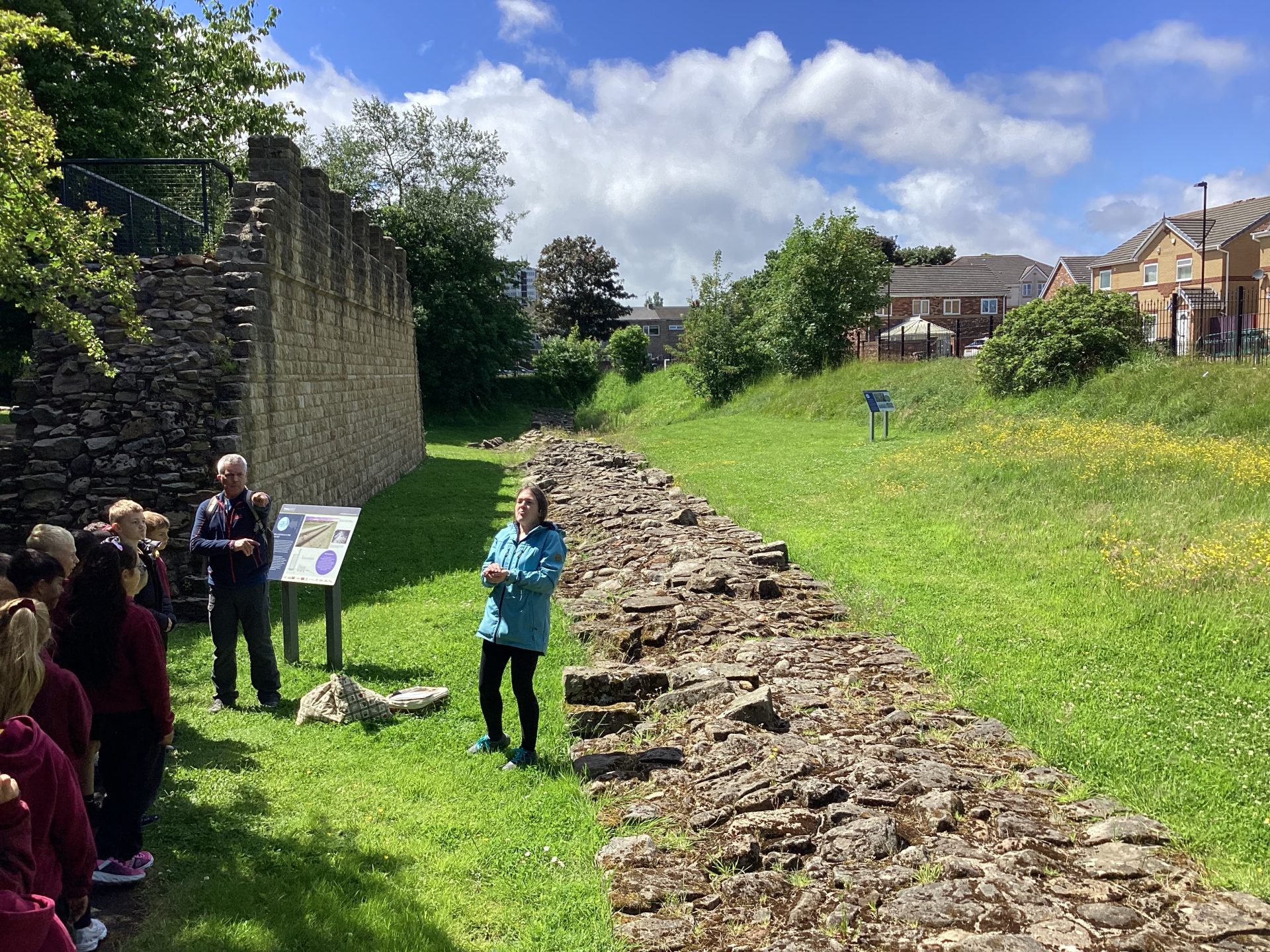
After lunchtime, Susan showed us a replica model of what Roman land looked like, which included barracks, granary, hospital and the commanding officer’s rose garden (who we learnt was the only Roman who was able to get married). We learnt that families were not allowed in the fort but could come and visit. Susan then led us outside to stand at the south end of the wall. She told us how the River Tyne was a natural barrier for the Romans and how it was also really useful for bringing in goods. She then led us around the land talking to us about what would be inside of the soldier’s barracks, before leading us to Hadrian’s Wall itself, where the children were able to feel like they were Roman soldiers fighting against the Celts.
Over the next few weeks in English, the children will be writing a recount of their trip to Segedunum.